
What happens to clothes when we leave them in the collection bin?
By 2025, all EU Member States were required to have separate textile collection systems in place.
But collecting them is only the first step. The big question now is what happens next: sorting, reuse, repair, recycling, or disposal. The European Environment Agency points out that Europe’s sorting and treatment capacity must expand to handle the volumes of collected textiles and prevent them from ending up in landfills, being incinerated, or being exported without guarantees of circularity. The shift is already underway.
And the regulatory framework is changing: the revision of the Waste Framework Directive, effective from October 2025, introduces Extended Producer Responsibility (EPR) systems for textiles and footwear, as well as new rules for the management and sorting of used textiles. By 2026, the challenge will no longer be just collecting more; it will be ensuring that textiles remain in circulation.
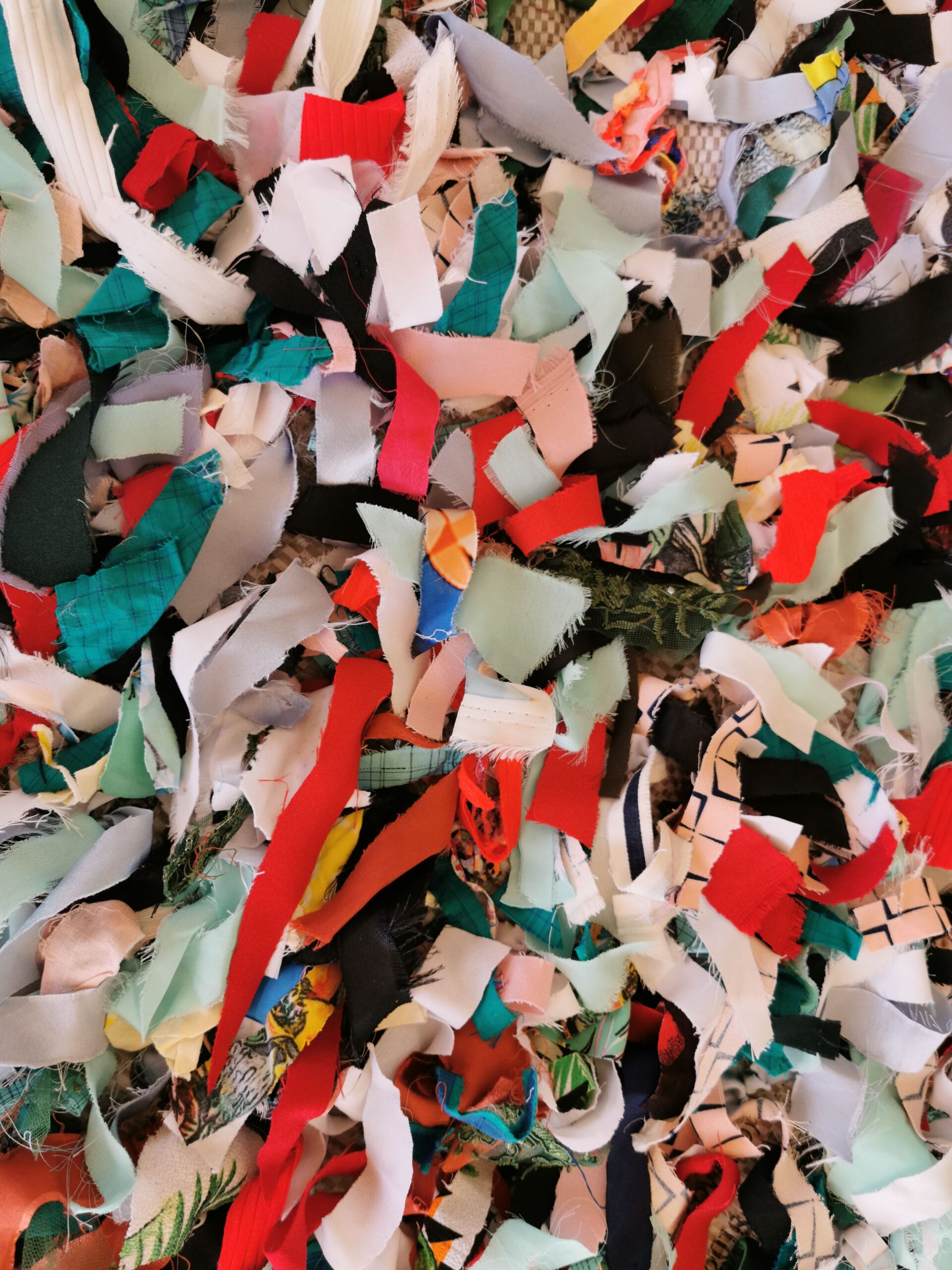
What if the textiles of the future weren’t like those of today?
The EU is driving nine research projects to transform the sector and move towards a more sustainable, circular, and carbon-neutral textile model.
Europe is investigating how to transform the entire textile lifecycle: from raw materials and production to use, reuse, and end-of-life. New materials, processes, and solutions aim to enable a more circular and sustainable textile industry. The shift is already underway. The question is: are we prepared to train the people who will make it a reality? Discover the European research projects exploring the future of textiles:
For more information, read the article.

The EU bans the destruction of unsold clothing and footwear.
EU law limiting the destruction of unsold garments comes into force.
A partir de julio de 2026, la Unión Europea prohíbe a las grandes empresas destruir ropa y calzado no vendidos, una medida incluida en el Reglamento de Ecodiseño para Productos Sostenibles (ESPR).
Esta normativa busca reducir el desperdicio textil y fomentar modelos más circulares, impulsando la reutilización, la reventa y una mejor gestión de los inventarios.
Para la industria de la moda, supone un cambio relevante: las empresas necesitarán profesionales con competencias en economía circular, gestión de excedentes, trazabilidad y nuevos modelos de negocio sostenibles.
En Fashion Skills 4 Better analizamos estas transformaciones para identificar las capacidades que necesitará el sector en los próximos años y contribuir a una formación profesional alineada con los retos reales de la industria.
For more information, read the article.

The future of fashion will be designed with data.
EURATEX supports the Digital Product Passport: when well-designed, the DPP can drive sustainability across Europe’s textile value chain..
Fashion is entering a new phase where information will become part of the product itself. The Digital Product Passport (DPP) will provide insight into the history of each garment: its materials, origin, manufacturing processes, environmental impact, and potential for repair or recycling. This new tool will transform how the industry designs, produces, and manages textile products, driving greater transparency and traceability. For fashion professionals, this shift entails developing new skills related to sustainability, digitalization, data management, and the circular economy. Industry transformation begins with knowledge and the capabilities needed to apply it.
Further information on the Digital Product Passport and its application to the textile sector from the European Commission.

Europe steps up the fight against greenwashing.
The European Commission is driving the implementation of the EmpCo Directive.
The European Commission has launched proceedings against 20 Member States for failing to timely transpose the Directive on Empowering Consumers for the Green Transition (EmpCo). This Directive aims to enhance the transparency of environmental claims and combat greenwashing by requiring that sustainability claims be backed by verifiable evidence. For the fashion sector, this new regulatory framework highlights the need to train professionals capable of understanding legislation, traceability, certifications, and responsible communication.
Read the official announcement from the European Commission

What does the «Twin Transition» really mean for fashion?
The European Union uses the concept of the «twin transition» to describe the need to move simultaneously towards a more sustainable and more digital economy.
The «Twin Transition» defines the need to move towards an economy that is simultaneously more sustainable and more digital. In the fashion industry, this transformation requires new skills in the circular economy, eco-design, digitalization, artificial intelligence, traceability, and new business models. At Fashion Skills 4Better, we work to identify the skills that future fashion professionals will need and to help bridge the gap between training and the sector’s actual needs. More information: Green Digital Transition – European Commission.