
Stakeholder mapping report
A comprehensive report and database detailing the key players in the Latin American fashion ecosystem and best practices from the EU.
Map to transform.
FashionSKILLS4Better has mapped the sustainable fashion ecosystem in Argentina, Colombia and Uruguay, contrasting it with experiences from Spain, Italy and Denmark.
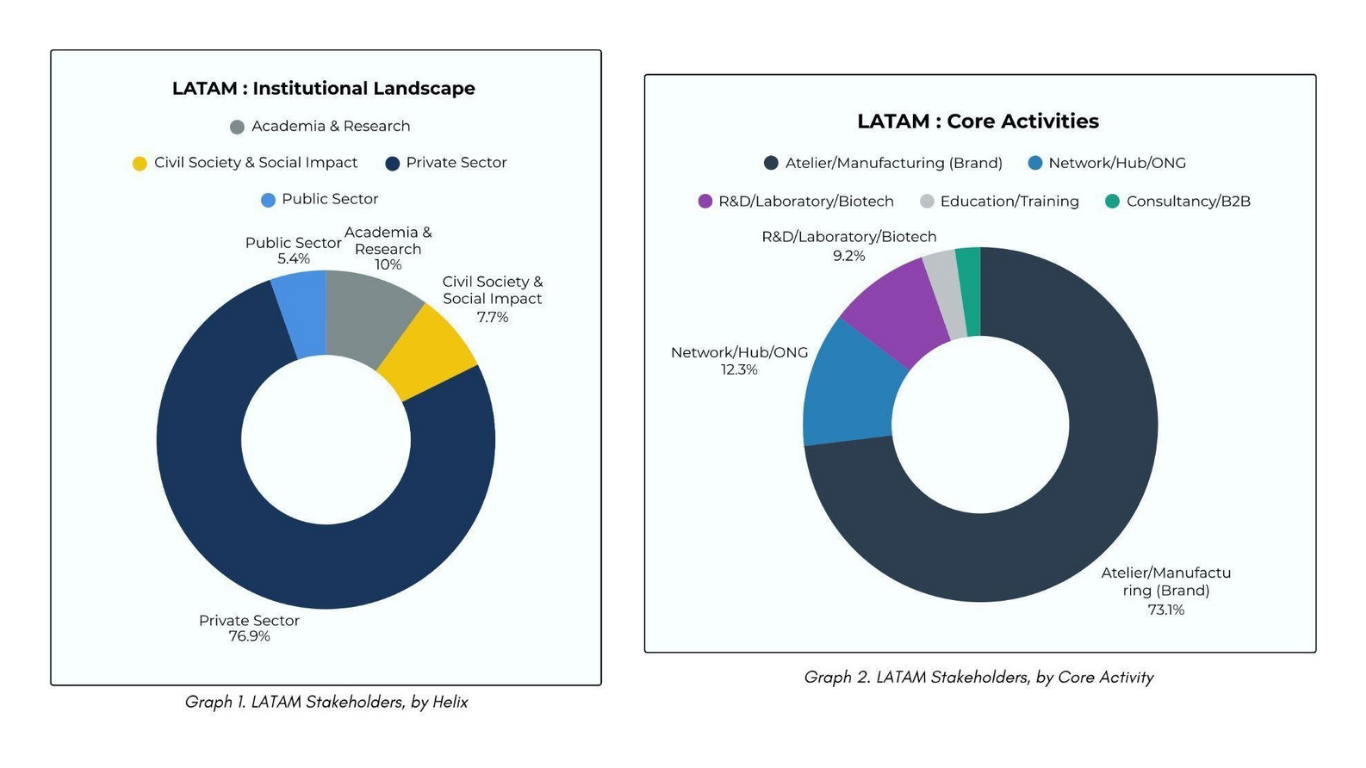
The objective: to identify actors, capacities and good practices that allow building a greener, more digital and entrepreneurial professional training in fashion, and generate real two-way learning between Europe and Latin America.
Thee competencies for change.
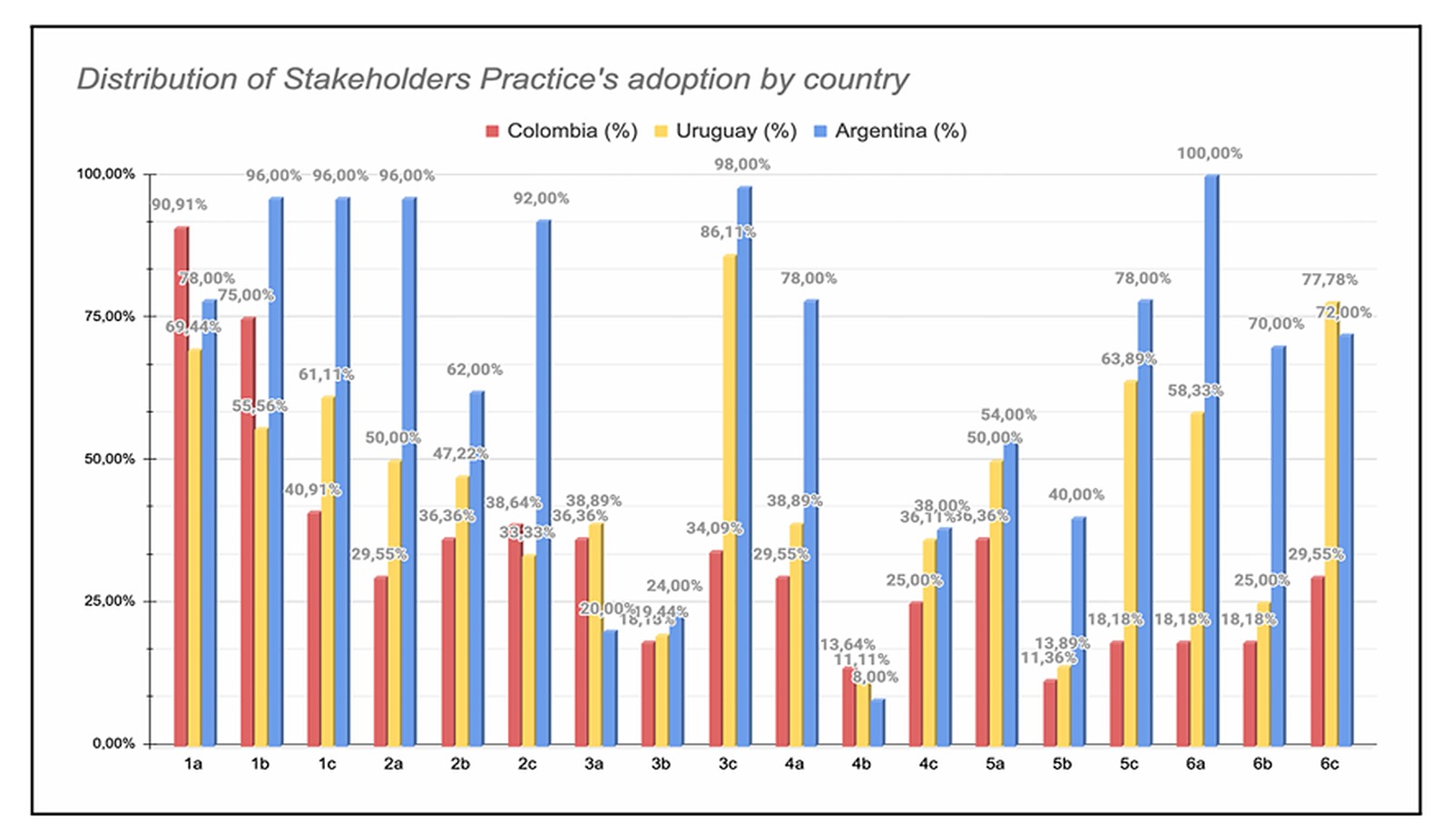
Green: Circularity, waste reduction, sustainable materials, traceability and social responsibility.
Digital: Deal Product Contribution, traceability, digital narrative, e-commerce, 3D and AI.
Entrepreneurship: New business models, fair trade, cooperation, social impact and collective access to markets.
The study shows that there is no single model of sustainable transition: each territory brings different and complementary strengths.
Latam: Sustainability with roots.
Latin America does not appear as a recipient of European knowledge, but as a source of innovation.
Its great strengths are in:
Ancestral knowledge + local fibers and materials + crafts + circularity + social impact + community.
Latin American models show that innovation does not necessarily mean more technology: it also means recovering knowledge, regenerating territories and building purposeful economic models.

Europe +Latam: Learning in both directions.
Europe provides:
biotechnology, industrial innovation, regulation, circular waste management, digitalisation and systemic models of circularity.
LATAM provides:
ancestral innovation, regeneration of local fibers, territorial knowledge, community models and circularity with social impact.
Innovation arises when both knowledge dialogues.
The report thus questions an exclusively North-South transfer of knowledge and proposes a true two-way learning.

Stakeholder mapping report.
The document provides a comprehensive mapping of the sustainable fashion ecosystems across Latin America and selected European countries, establishing a bidirectional learning exchange between both regions. It analyzes mapped stakeholders through a structured taxonomy covering institutional landscapes, core operational activities, and performance across green, digital, and entrepreneurial competencies. Additionally, the report showcases a curated selection of international case studies, defining best practices through the lenses of territorial sustainable materials, ancestral innovation, and the decolonization of fashion design thinking